
Stay ahead of wear and performance loss
Checks by asset and usage
Organising maintenance properly helps each system get the attention it actually needs.
Better timing for visits
Planned care can be booked before busy periods rather than during a failure.
Patterns become clearer
Recorded observations help show repeat issues and changing system condition.
Scheduled checks before faults take hold
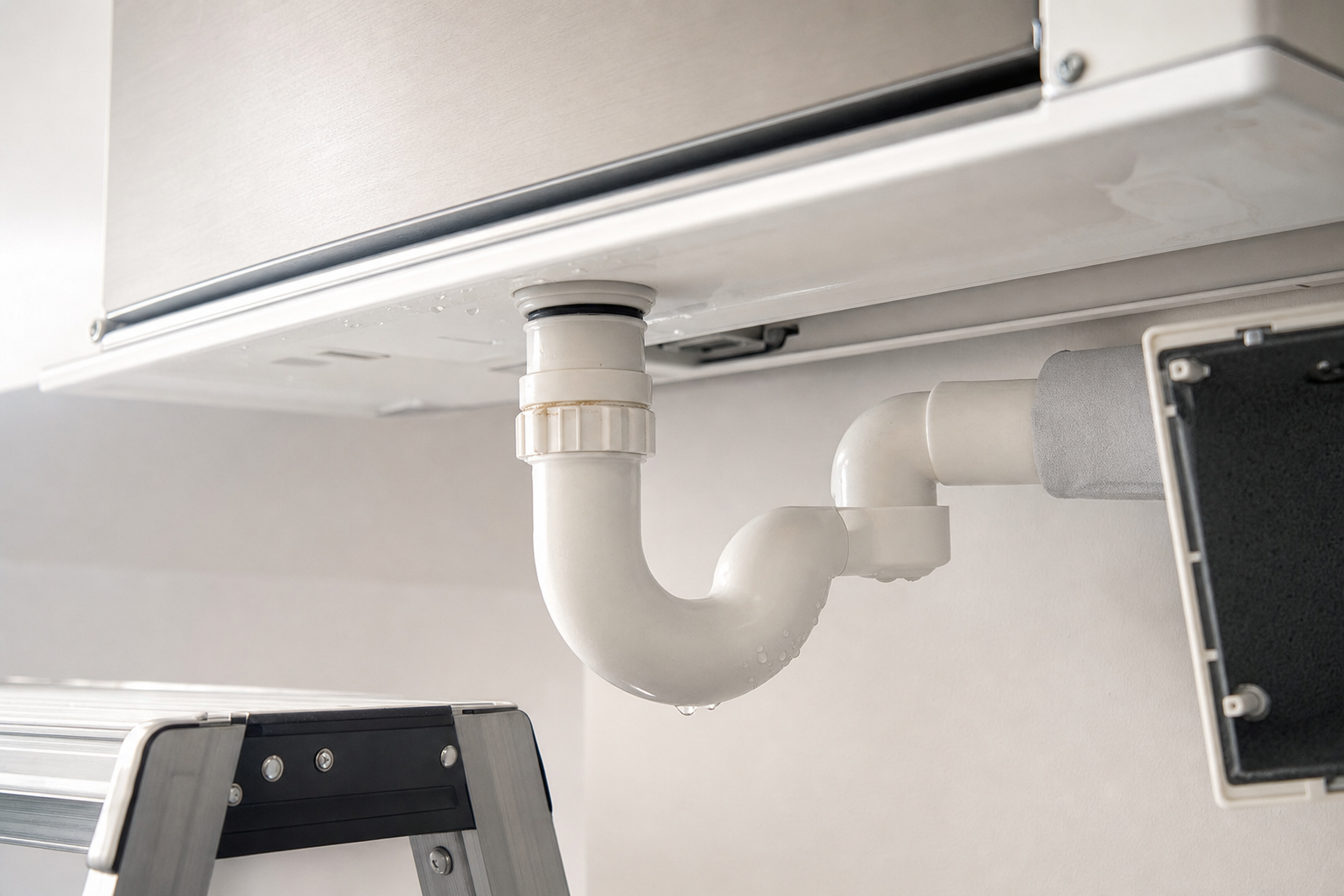
Planned preventative maintenance is about giving the system attention before wear and declining performance turn into avoidable failure. We organise visits around the equipment itself, where it is located, how it is used and how often it should be checked. That creates a practical programme instead of a vague intention to look at it later. With LA Air Conditioning, planned preventative maintenance can include recurring checks on airflow, cleanliness, drainage, controls, operating temperatures and visible component condition. The aim is to spot deterioration while the problem is still smaller and easier to understand.
Use records to see patterns, not just problems
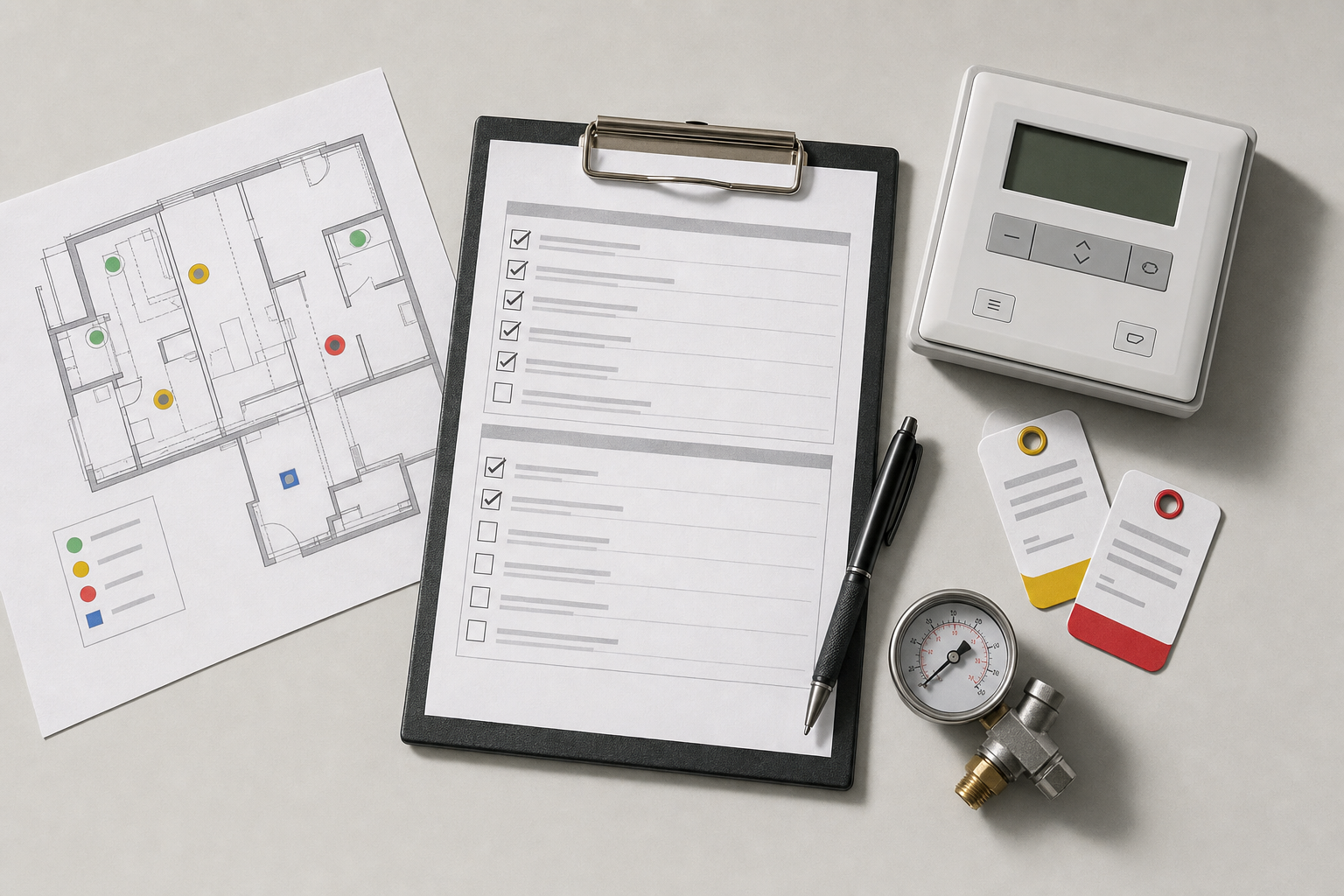
Maintenance works better when it is arranged before the hottest spell or before the busiest operating period, rather than once the system is already struggling. A visit from LA Air Conditioning can also be planned for less disruptive times, which matters in occupied buildings and still helps at home. Recorded observations are useful because they show recurring faults, changes in condition and where future repairs or replacements may need thought. That is what turns a routine check into something more valuable than a quick wipe down.
Frequently asked questions
How is planned preventative maintenance different from a one-off visit?
A one-off visit deals with the system as it stands on that day. Planned preventative maintenance goes further by setting a repeat schedule based on the asset, its location, usage and condition. That structure makes it easier to track changes and catch trouble earlier rather than later.
What sort of things are recorded during planned care?
We note the systems involved, their condition, the checks carried out and any observations that matter for future attention. That can include changes in airflow, cleanliness, drainage, controls or visible wear, so the next decision is based on a record rather than a vague memory.
When is the best time to arrange planned maintenance?
It is often best before the system is due to work hardest, or at a time when access is easier and disruption is lower. The right timing depends on how the equipment is used, but the main point is to be ahead of the problem rather than waiting for a failure to make the decision.