
Keep Newport systems better organised
Installation surveys on site
We assess positions, routes and operating needs before commercial fitting begins.
Contracts for structured care
Regular visits and records help give ongoing system care a clearer shape.
Breakdown route kept clear
Failed systems can move straight into fault diagnosis and repair attendance.
Commercial support for Newport sites
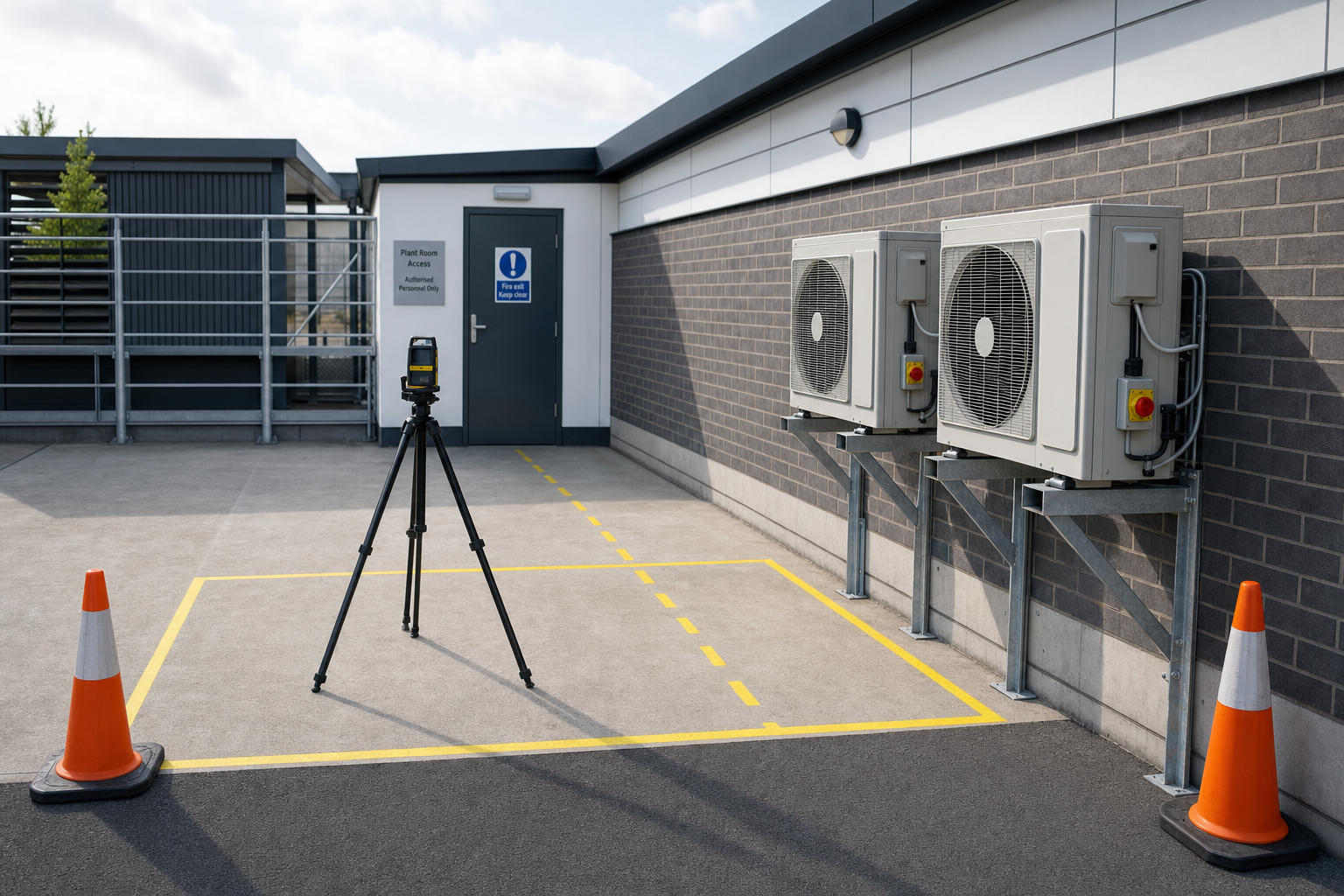
Newport sits within the wider reach we cover from our Gloucester base, and the work still starts the same way: with a proper picture of the premises, the system count and the access needed. We travel out for installation surveys, service contract discussions and breakdown attendance where cooling has failed badly enough to interrupt normal use. With LA Air Conditioning, that means we can assess equipment locations, likely routes and operating requirements before fitting begins, instead of trying to patch a plan together from guesswork or half-remembered details.

Contact us with your requirements
A structured service contract is useful where you want regular attention, recorded visits and a clearer plan for keeping equipment under review. When the system in Newport has already failed, the route changes to breakdown diagnosis and repair. A visit from LA Air Conditioning can be planned around either need, provided we have a decent description of the premises, the number of systems involved and any access limits before we travel. That helps us use the visit for the system, not for learning the site from scratch.
Frequently asked questions
What helps when arranging a Newport installation survey?
Please tell us about the premises, how many systems may be needed, the areas involved and any access restrictions around indoor or outdoor equipment positions. That information helps us plan a more useful survey and gives the installation discussion a stronger basis from the start.
What is the benefit of a service contract for a Newport site?
A service contract creates a regular structure for inspection and maintenance instead of waiting for the system to drift or fail. It can help with visit planning, condition records and earlier identification of wear, which is especially useful where the equipment is relied on frequently over time.
What should we tell you if the system has broken down?
Please share which units or areas are affected, whether there are fault codes, when the failure began and any unusual sounds or leaks you have noticed. We also need to understand site access, because breakdown work often requires us to reach both indoor and outdoor equipment to diagnose the problem properly.